▸ Category · Architecture
Notes on Architecture.
23 posts in this category.
-
 Architecture
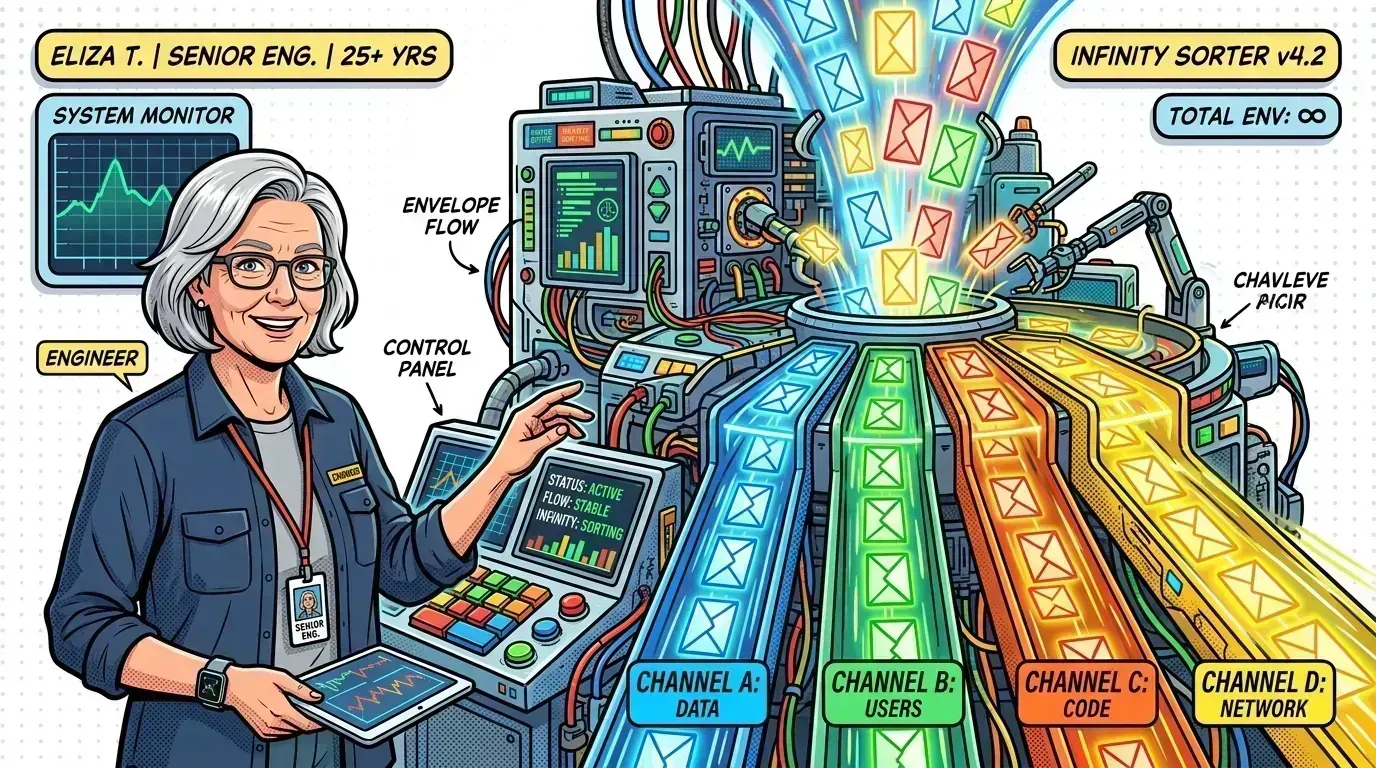
Scaling with RabbitMQ: why message brokers matter
Synchronous controllers are how monoliths die. RabbitMQ exchanges and queues, the strangler pattern for going async, and idempotent Laravel workers.
Read post →
-
 Architecture
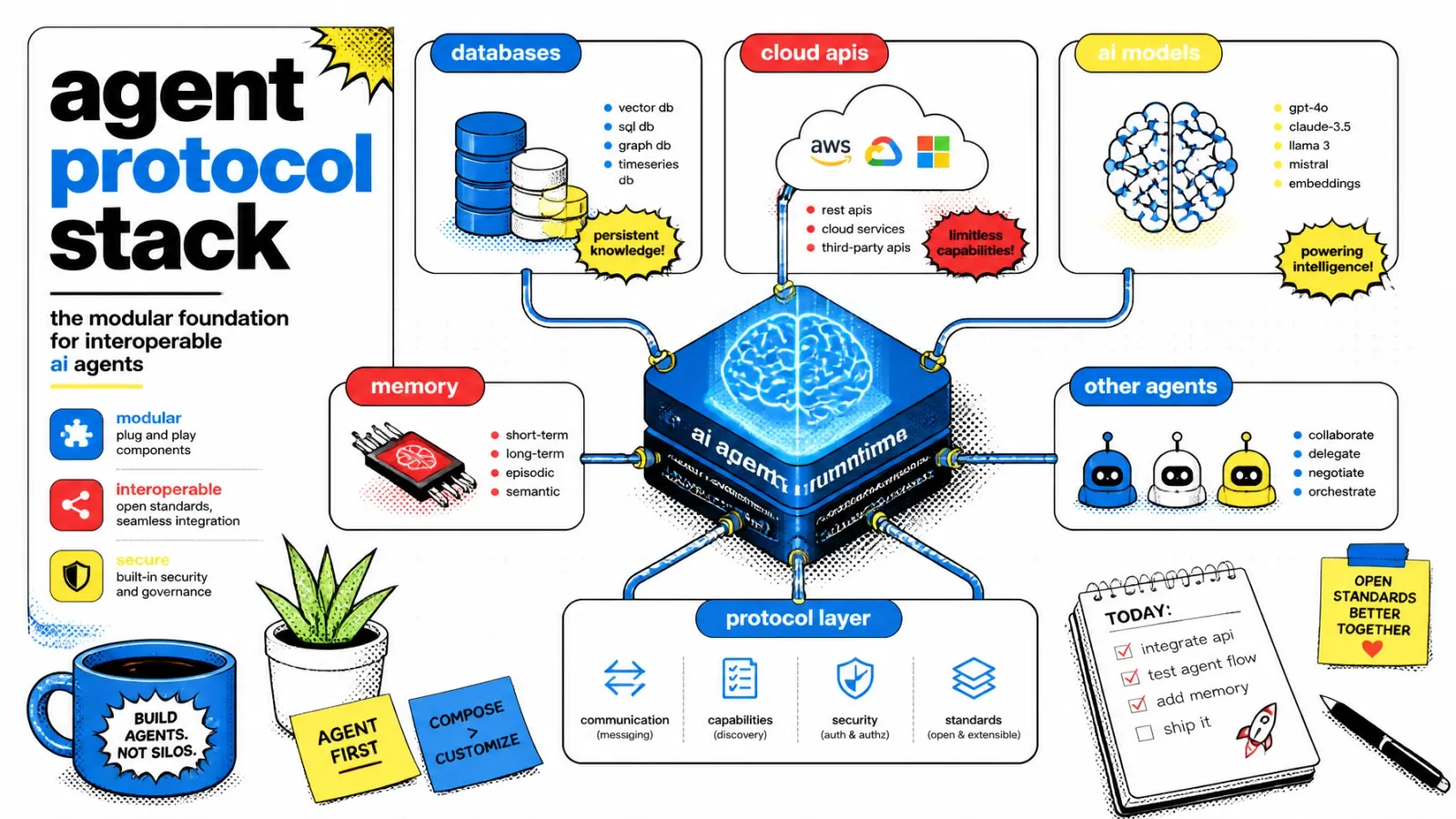
MCP vs A2A vs ACP: the agent protocol stack
MCP connects agents to tools, A2A connects agents to each other, and ACP has folded into A2A. How the two-layer agent protocol stack fits together in 2026.
Read post →
-
 Architecture
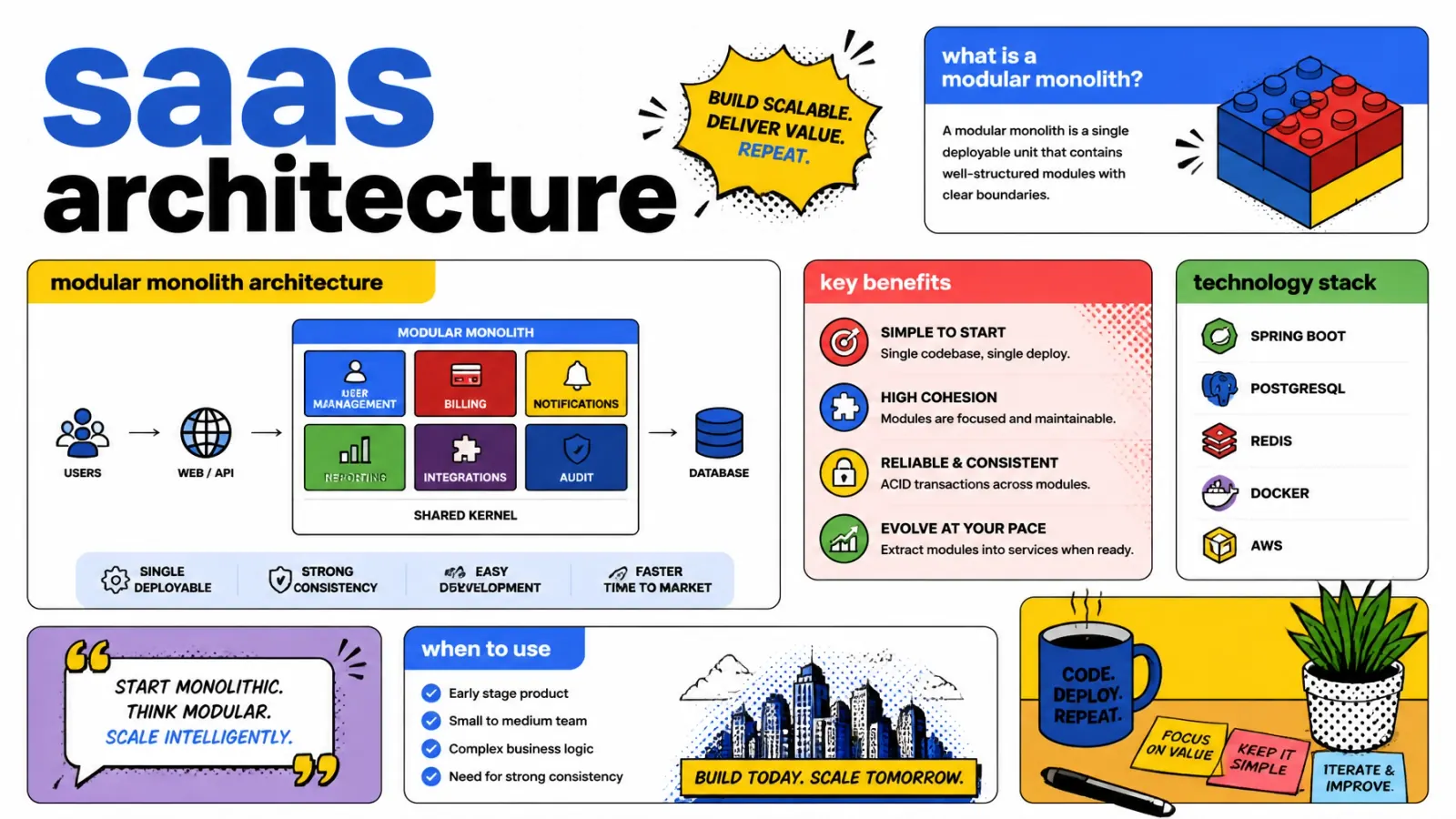
Modular monoliths first: why microservices can wait
Distributed systems are the priciest fix for a problem you don't have. How to build a modular monolith, own data per module, and know when to split.
Read post →
-
 Architecture
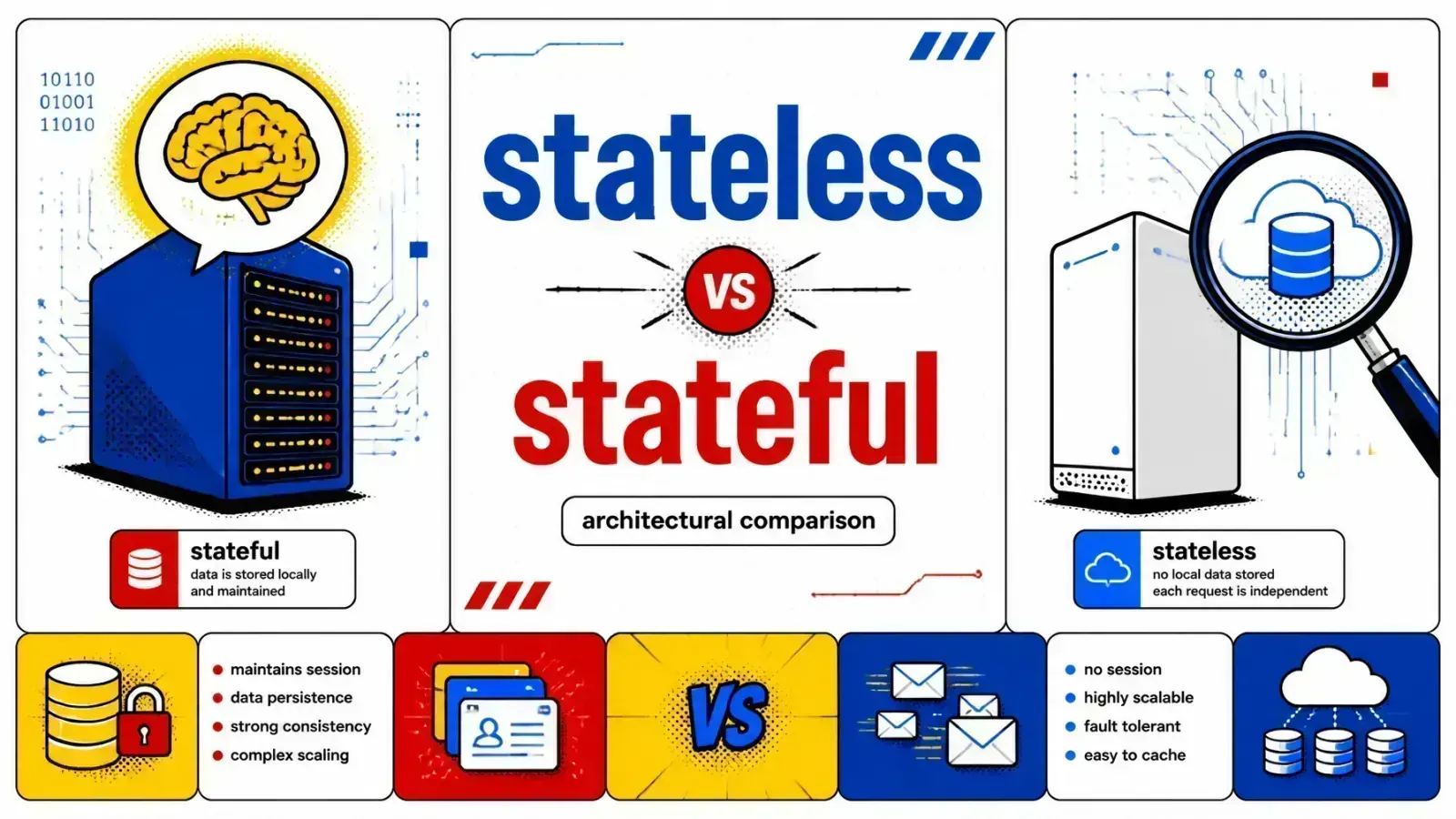
Stateless vs stateful apps: the architecture split
Stateful servers remember; stateless servers forget by design. Why horizontal scaling, sticky sessions, and shared Redis decide the architecture split.
Read post →
-
 Architecture
Synchronous vs asynchronous communication
The technical differences between synchronous and asynchronous architectures in Laravel and Shopify, and how queues, jobs, and webhooks help you scale.
Read post →
-
 Architecture
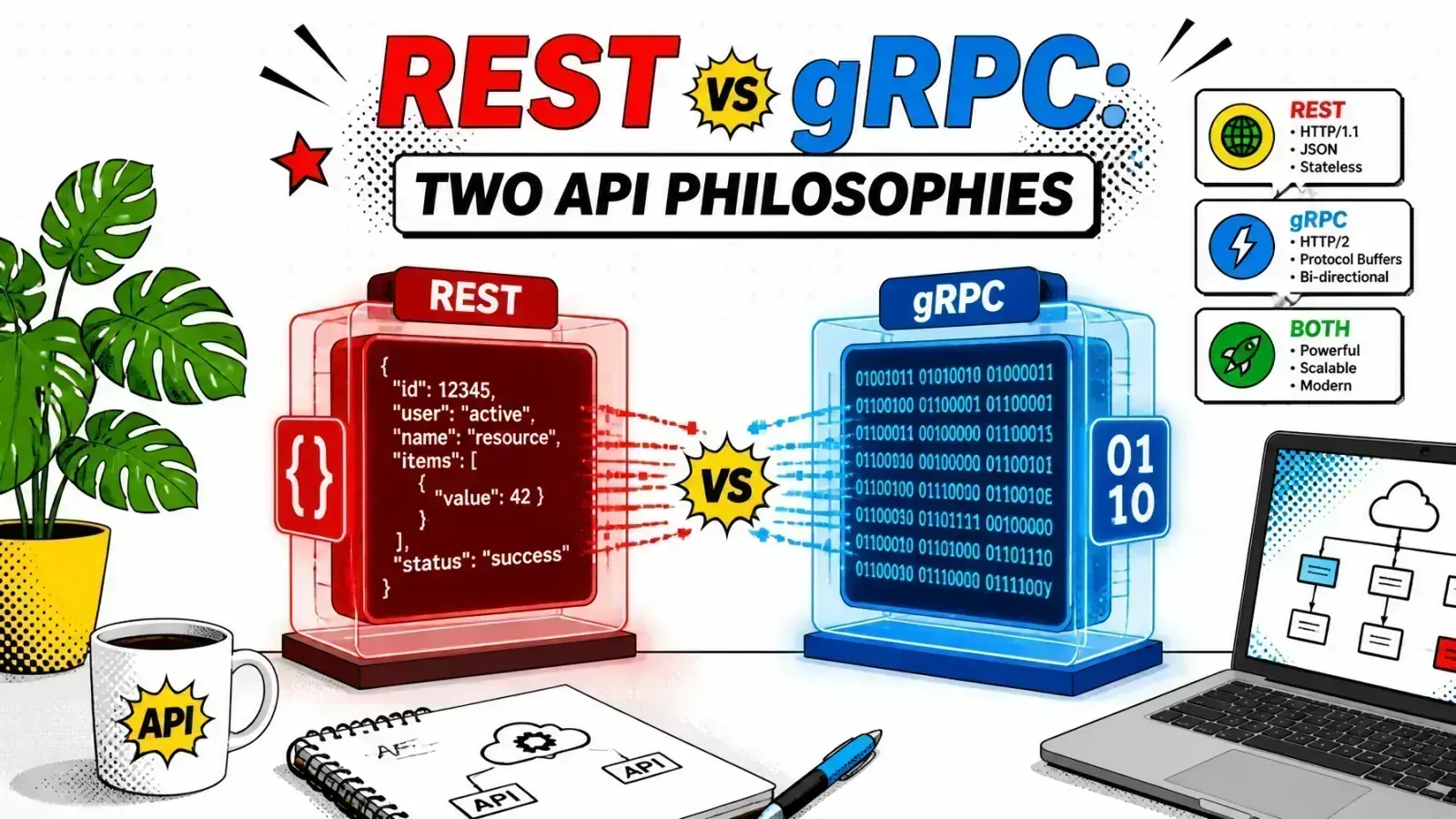
REST vs gRPC: two API philosophies
The technical differences between REST and gRPC: when to use Protocol Buffers over JSON for high-performance microservices, and why good designs use both.
Read post →
-
 Architecture
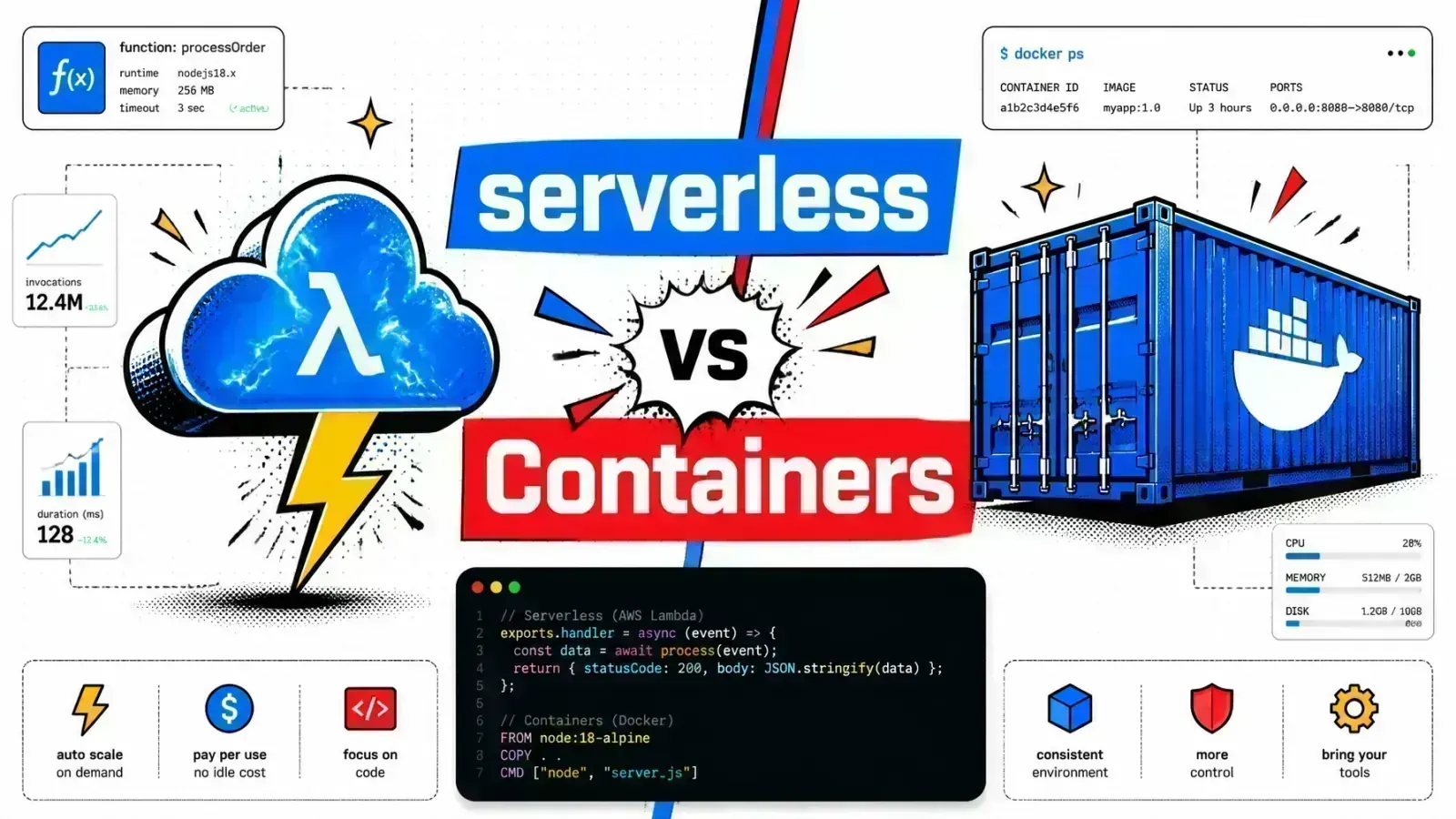
Serverless vs containers: the 2026 engineering guide
Compare Serverless vs Containers for performance, cost, and scalability. Learn why hybrid models are winning for Laravel and Shopify applications in 2026.
Read post →
-
 Architecture
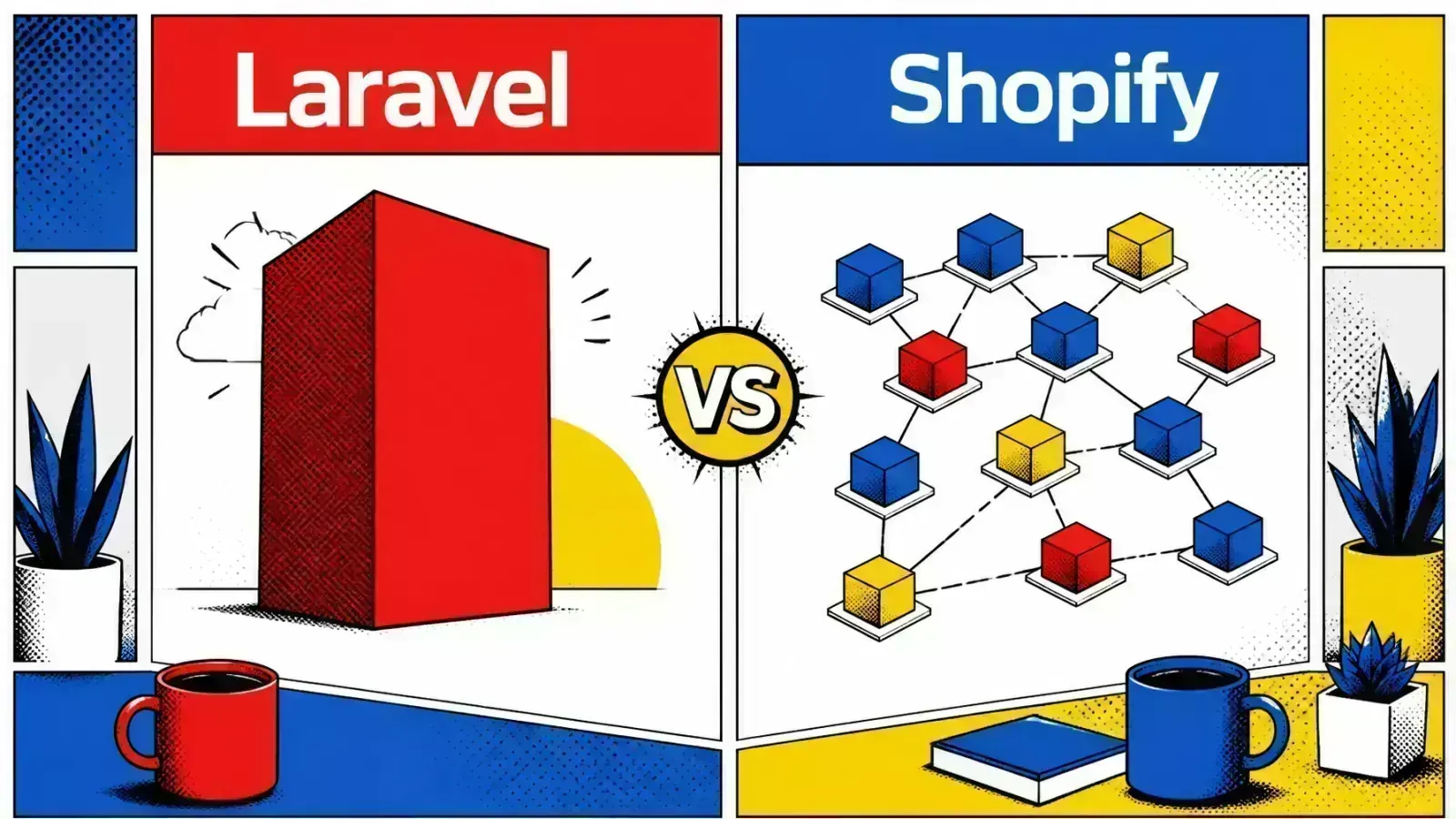
Monolith vs microservices: how to choose
Monolith vs microservices: the real technical trade-offs for Laravel and Shopify teams, when each pays off, and why a modular monolith often wins.
Read post →
-
 Architecture
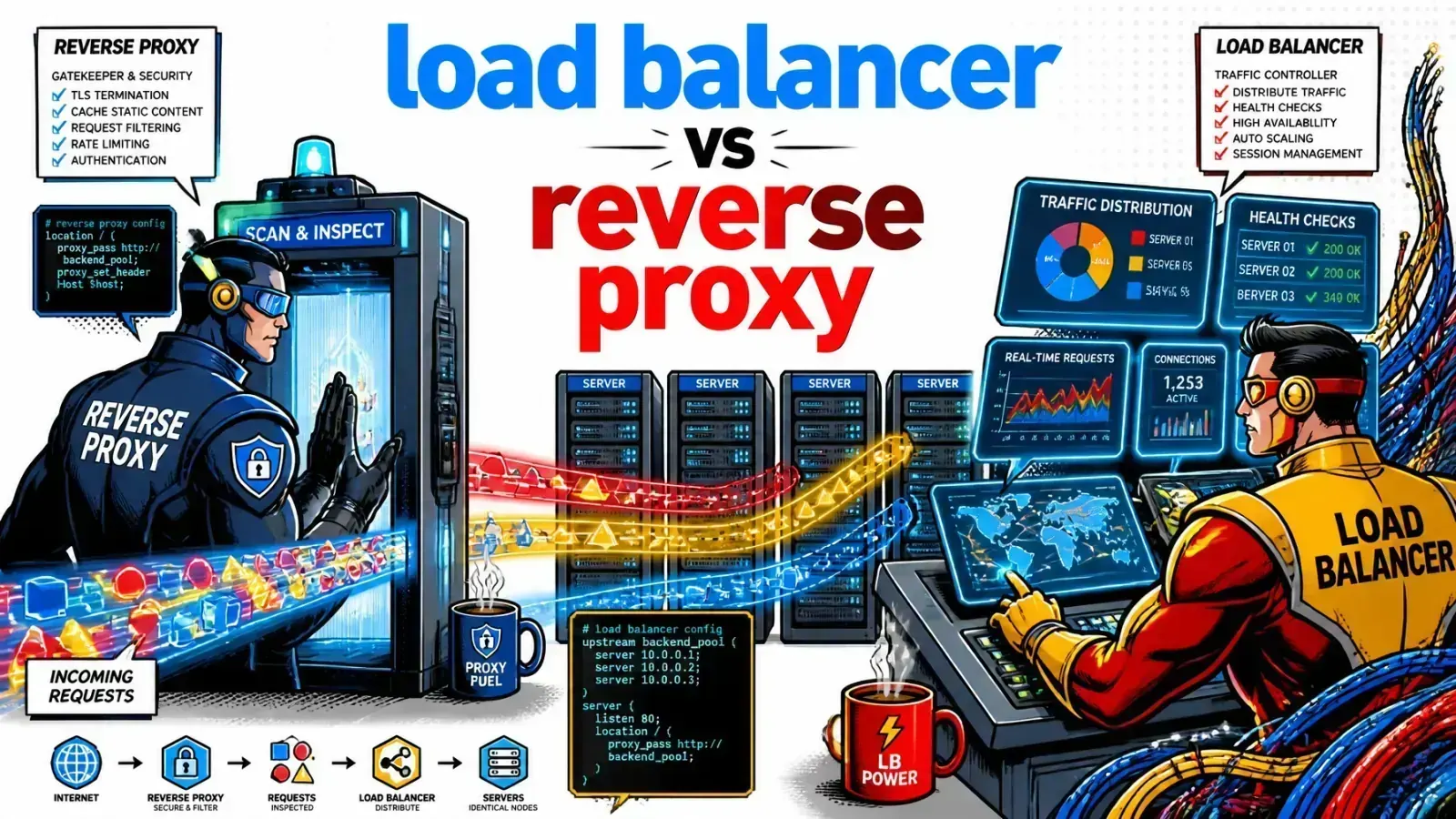
Load balancer vs reverse proxy: scale vs security
Reverse proxies handle SSL, caching, and security; load balancers handle scale and availability. The differences — and how to layer both in a Laravel stack.
Read post →
-
 Architecture
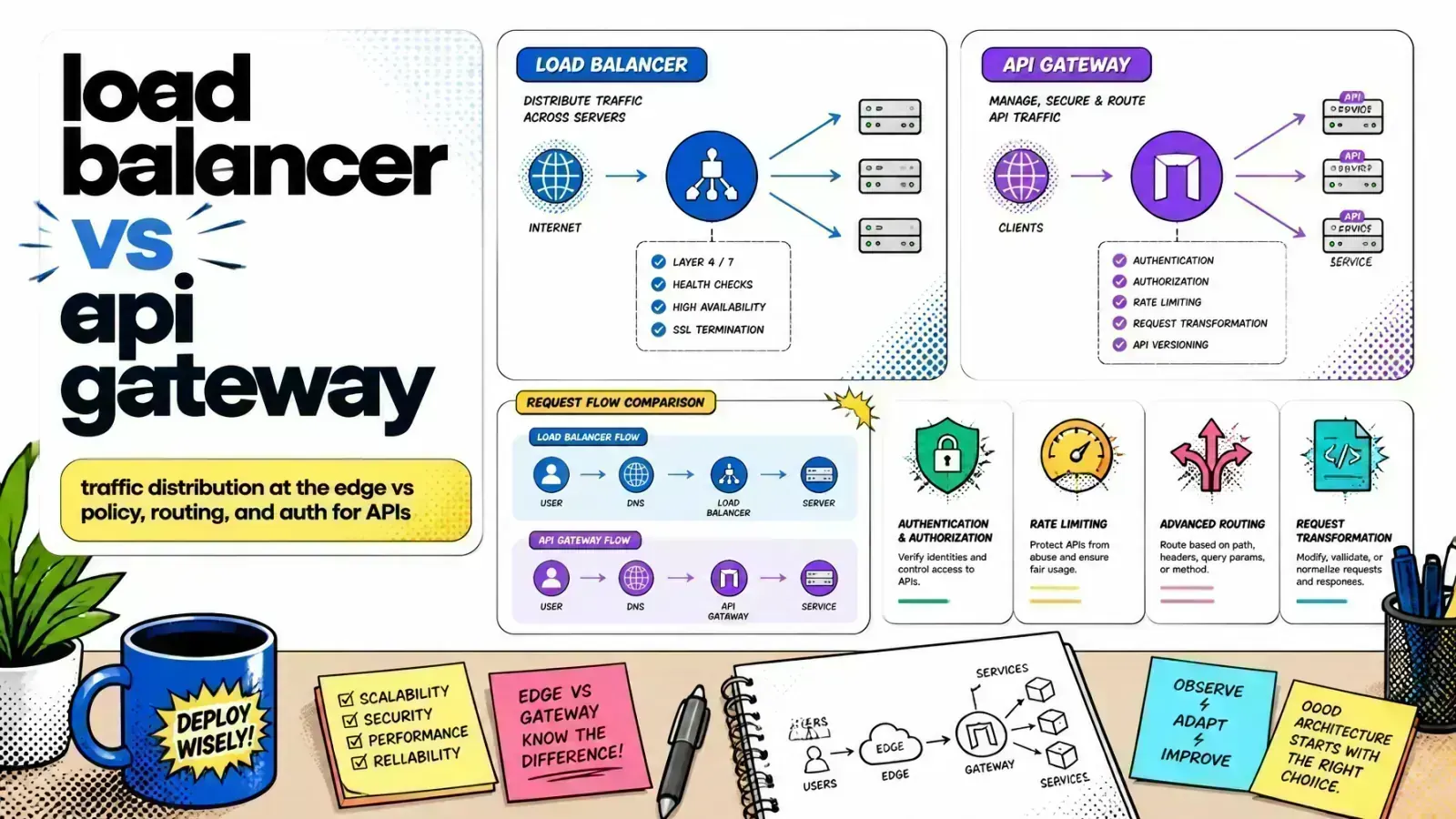
Load balancer vs API gateway
Load balancers distribute traffic; API gateways enforce policy. The real differences, when to use each, and how to layer both in a production stack.
Read post →
-
 Architecture
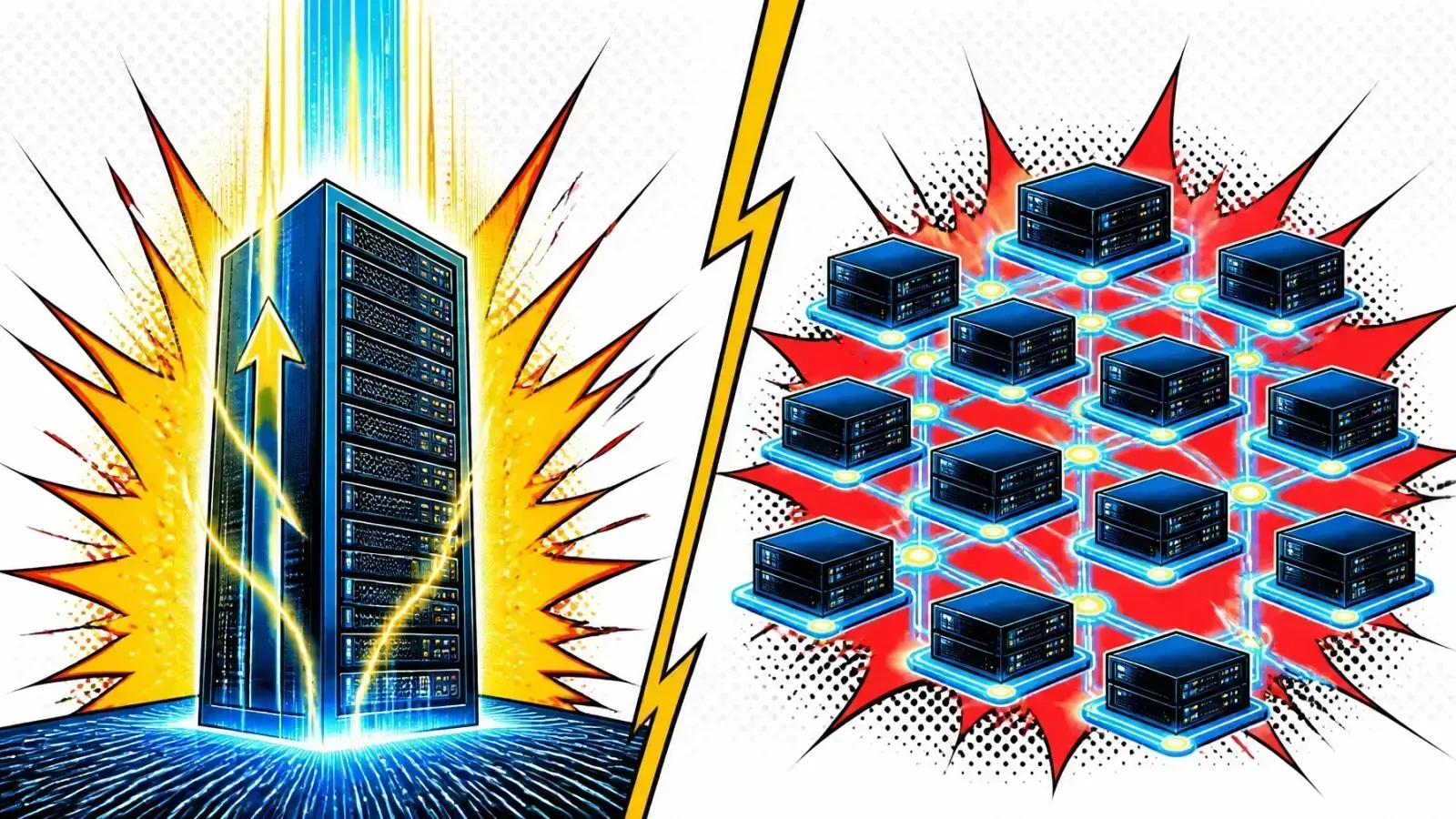
Horizontal vs vertical scaling
Learn the key differences between horizontal and vertical scaling. Discover the right architectural strategy for scaling your web application effectively.
Read post →
-
 Architecture
API vs MCP: connecting AI systems
The core differences between traditional APIs and the Model Context Protocol (MCP) — and when to use each to build scalable, agentic AI systems.
Read post →
-
 Architecture
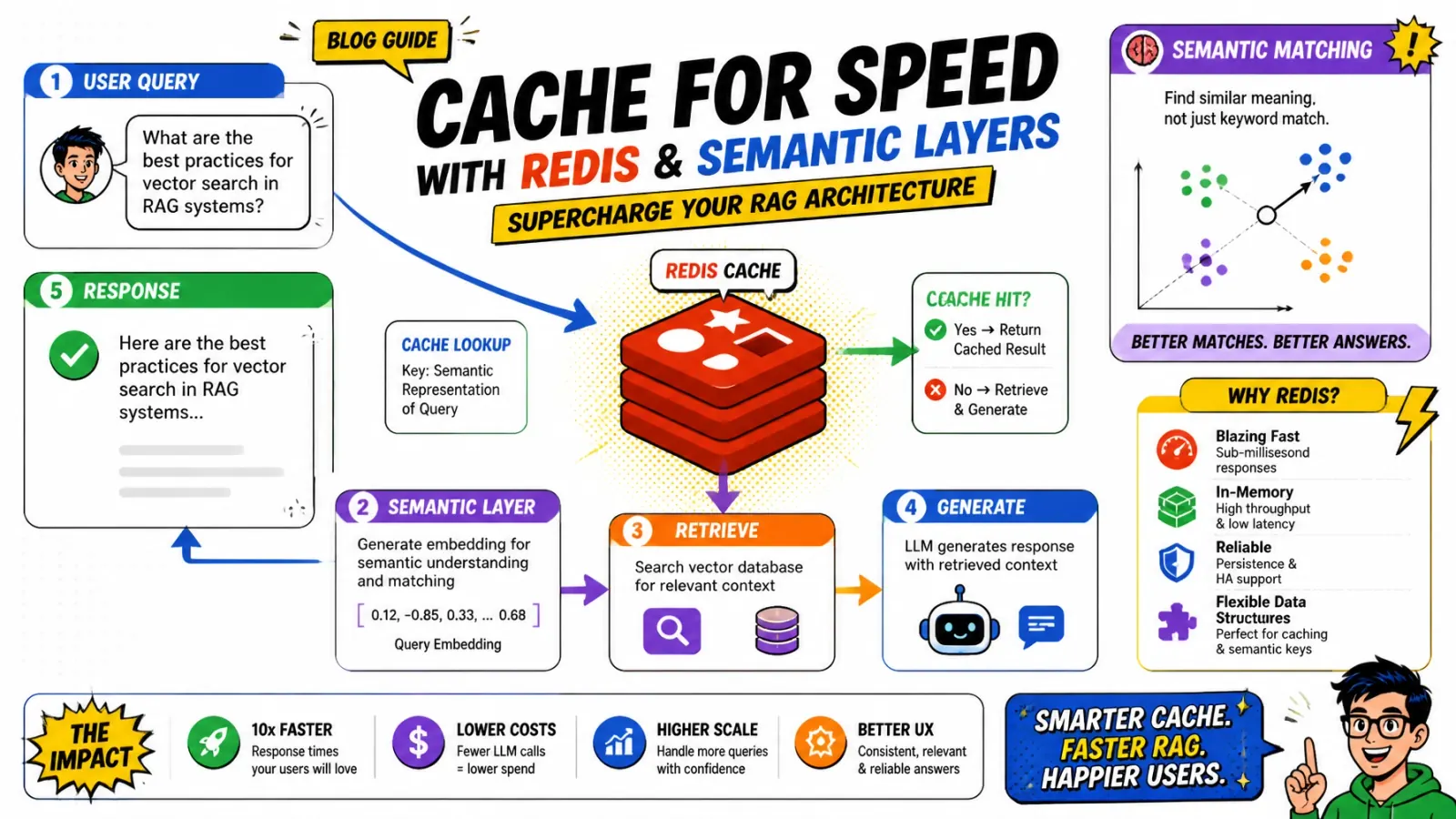
Caching for speed: Redis and semantic layers in RAG
Stop paying for the same LLM call twice. Two-tier caching with Redis keys and RedisVL semantic lookups slashes RAG latency and trims your LLM API bill.
Read post →
-
 Architecture
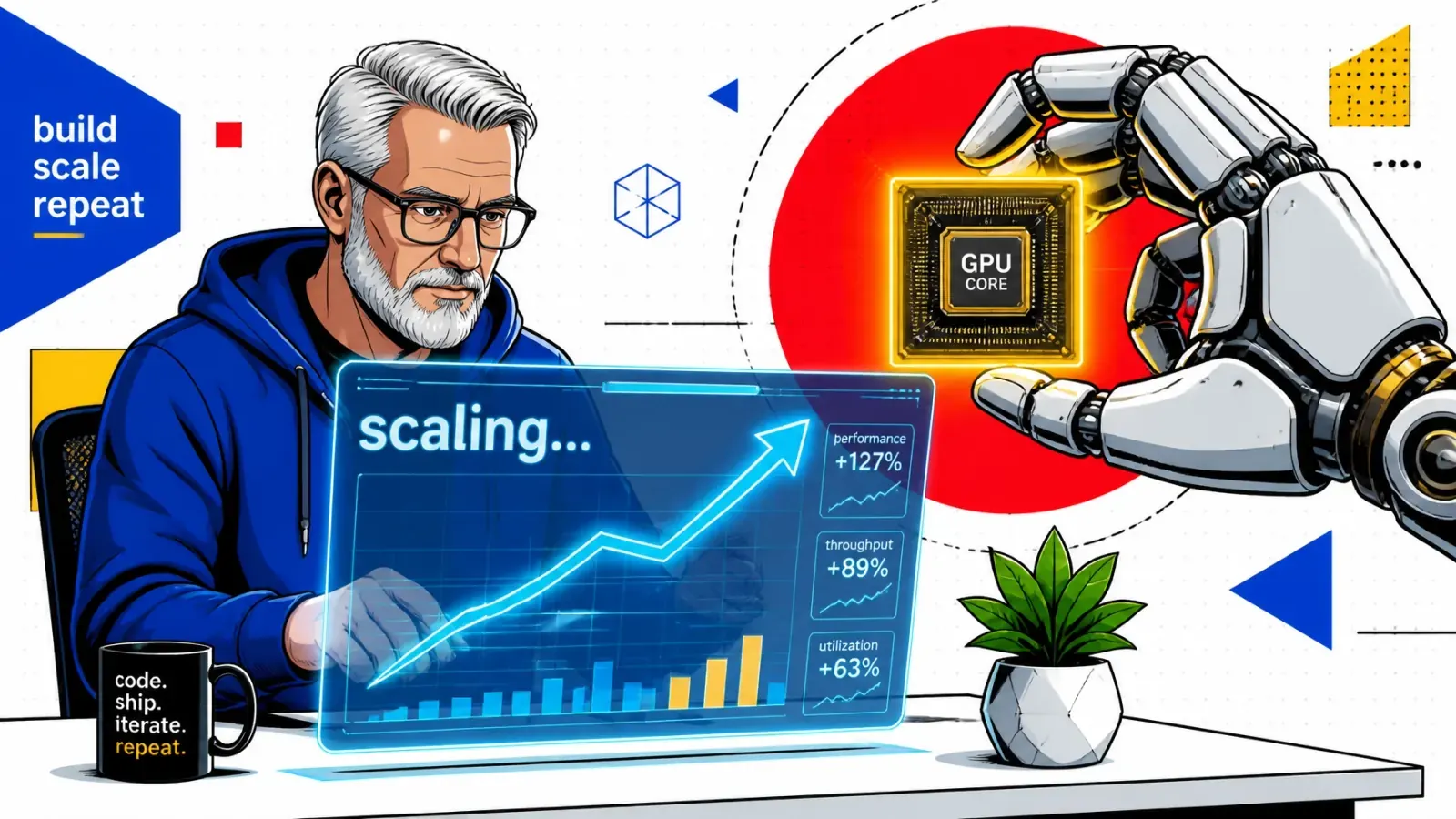
Smart auto-scaling for modern AI apps
CPU auto-scaling fails GPU workloads. Why queue depth, KV-cache pressure, and TTFT beat CPU as triggers, plus the KEDA patterns to scale AI in time.
Read post →
-
 Architecture
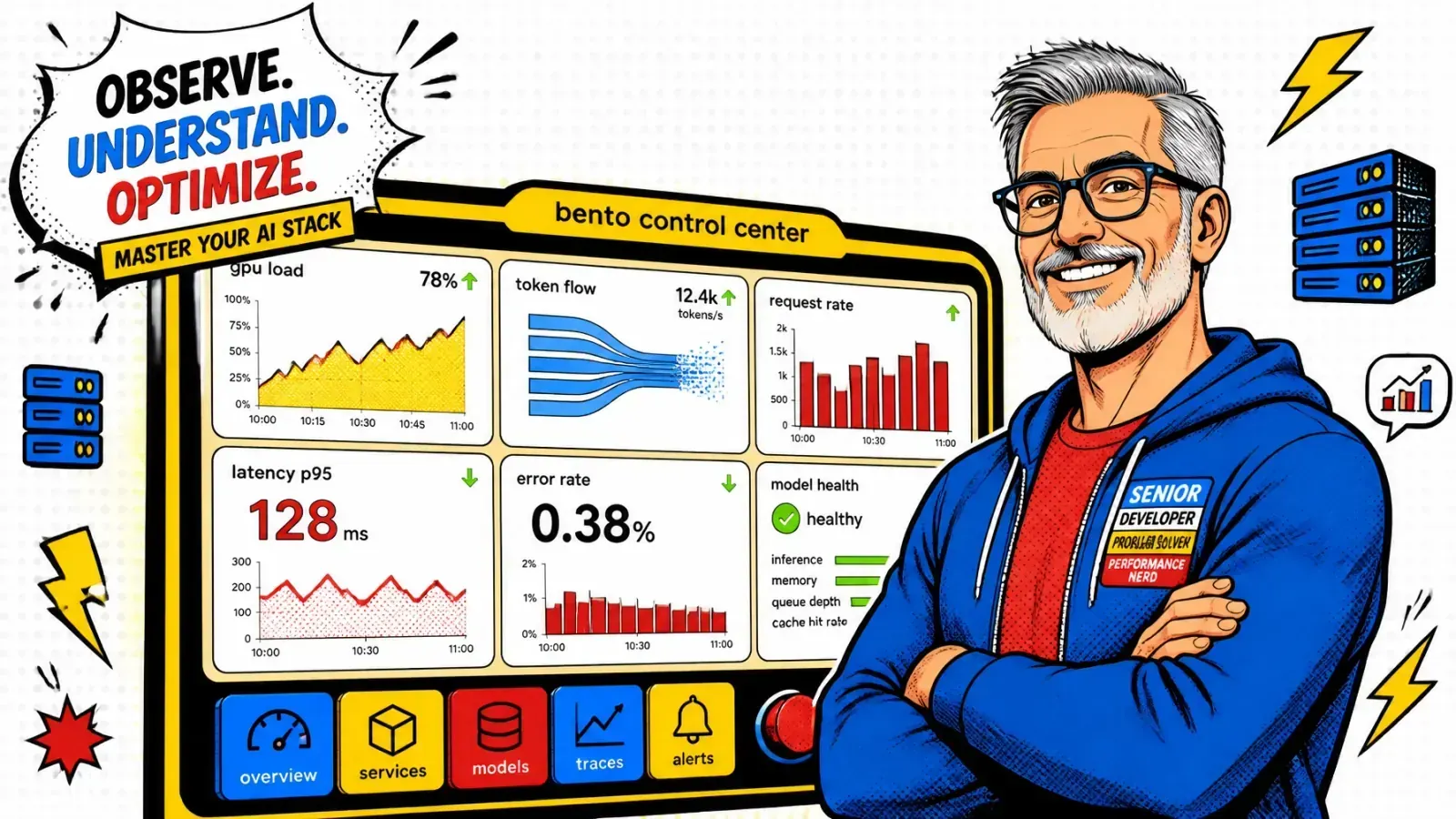
GPU-aware load balancing for AI inference
Round-robin breaks when LLM requests span 50 to 50,000 tokens. GPU-aware load balancing with prefill/decode disaggregation and the metrics that cut P99.
Read post →
-
 Architecture
Circuit breakers: stopping vector DB failures
A slow vector DB kills SaaS faster than a dead one. The circuit-breaker pattern for AI infra — states, fallback tiers, and Laravel-friendly wiring.
Read post →
-
 Architecture
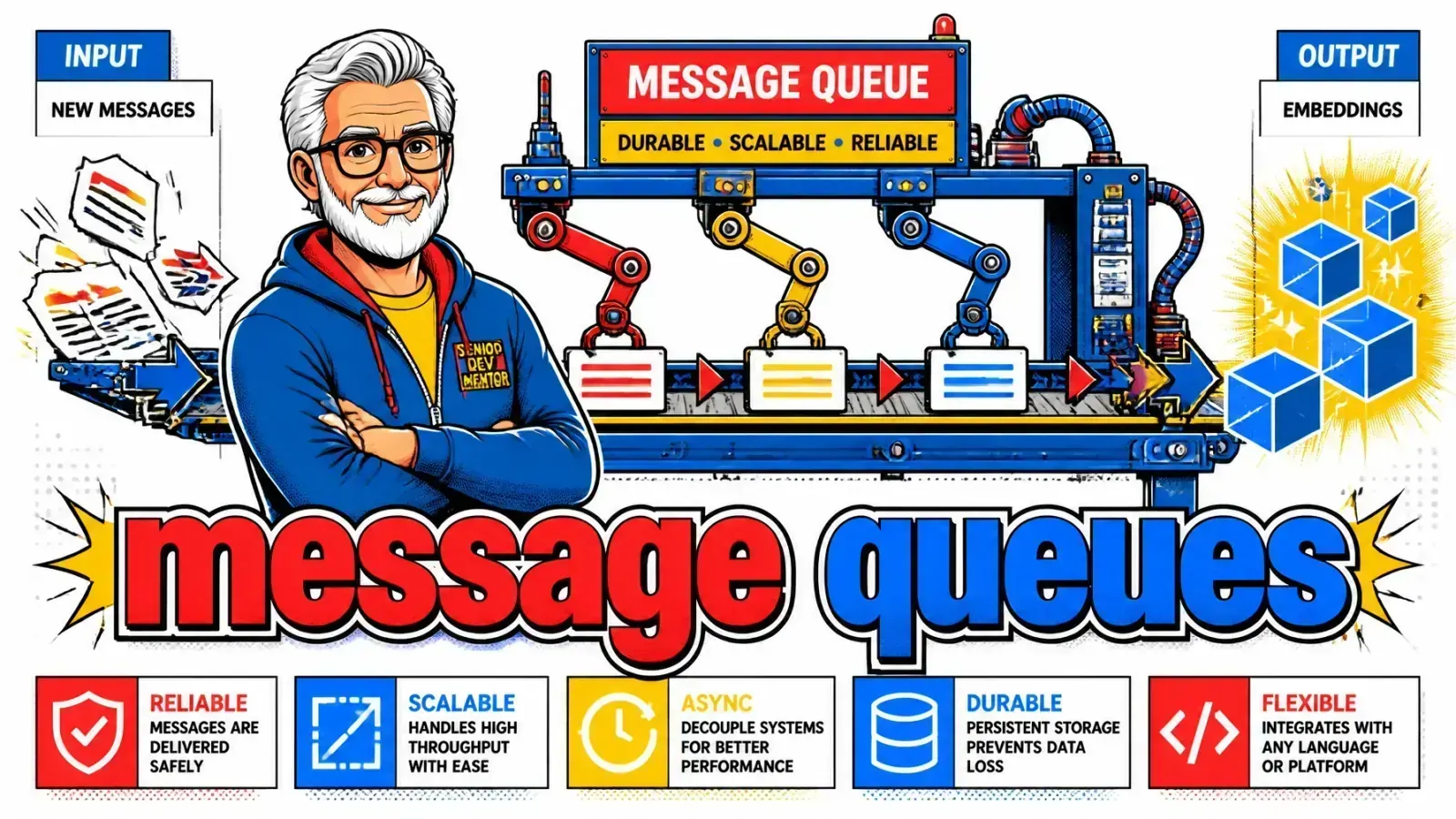
Message queues for heavy-duty document processing
Stop running embeddings in the request cycle. Build a document pipeline on message queues with staged workers, retries, dead-letter queues, and autoscaling.
Read post →
-
 Architecture
Rate limiting: protecting your AI wallet
One runaway agent loop can mean a $5,000 LLM bill. Why request-per-second limits lie, and how hierarchical token-bucket limits protect your margins.
Read post →
-
 Architecture
API gateway: the front door of your AI stack
Stop exposing LLM providers to your frontend. The API gateway pattern for AI apps: tenant isolation, model aliases, rate limiting, and streaming-safe timeouts.
Read post →
-
 Architecture
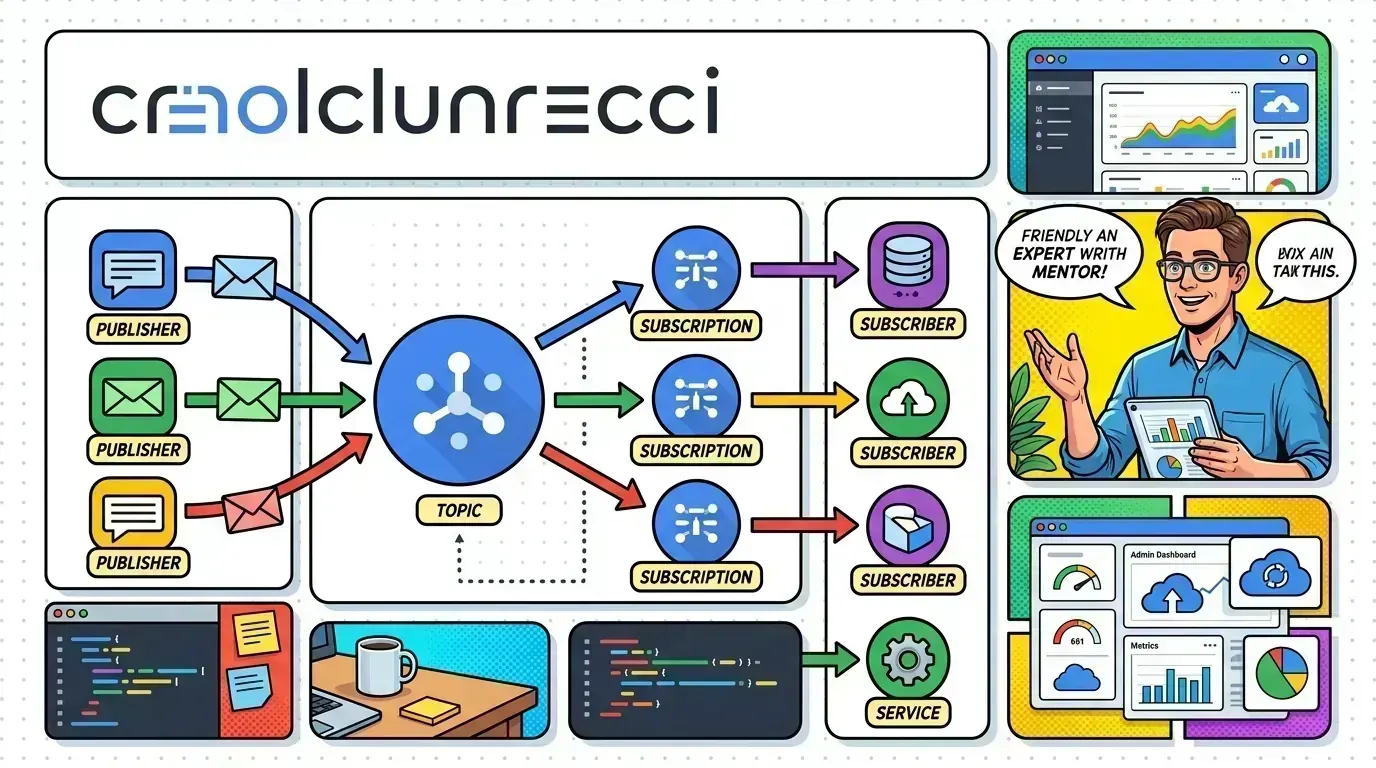
Event-driven architecture with Google Pub/Sub
Decouple your services or drown in latency. Topics, fan-out, push vs pull, dead-letter queues, and idempotent consumers in a Laravel Pub/Sub blueprint.
Read post →
-
 Architecture
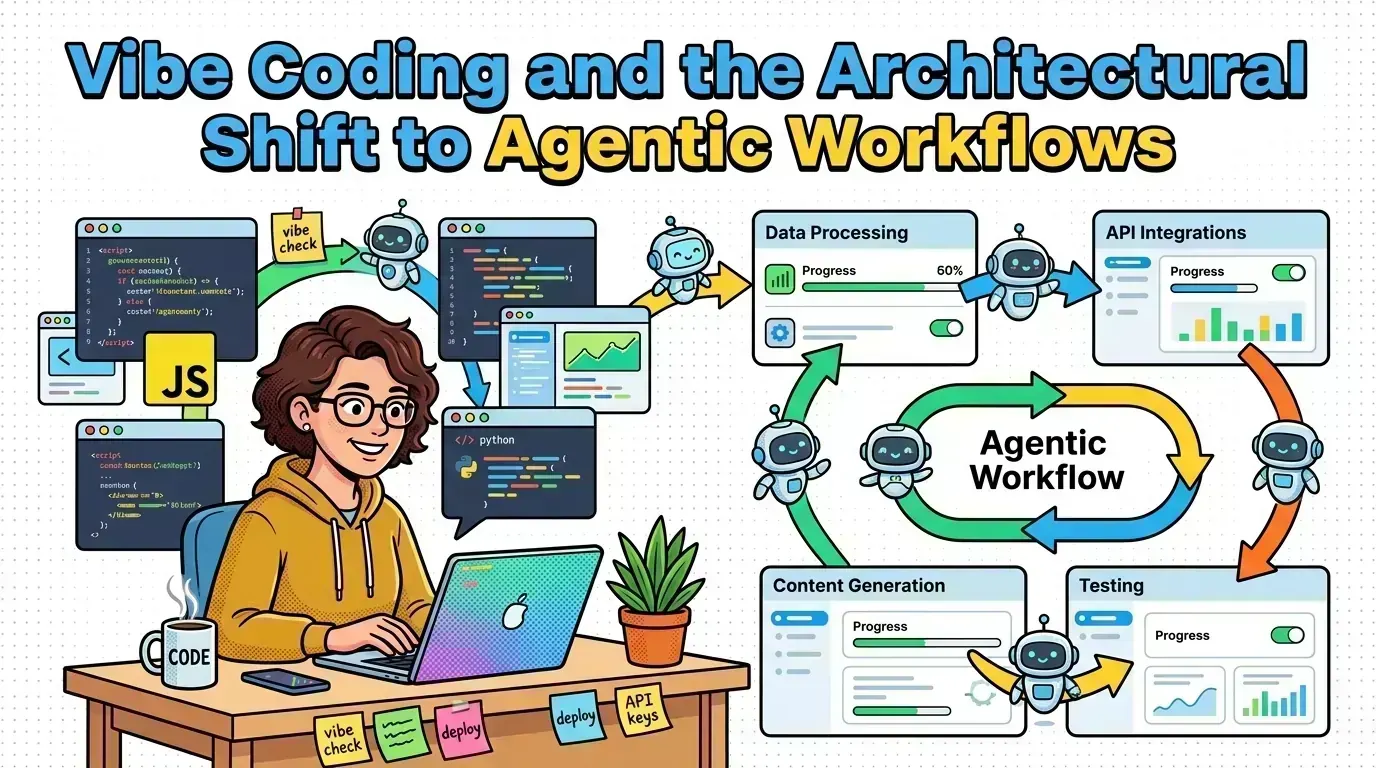
Vibe coding: the shift to agentic workflows
MCP, agentic loops, and intent-based engineering. How vibe coding becomes a real architecture pattern, plus the Laravel and MCP stack I run today.
Read post →
-
 Architecture
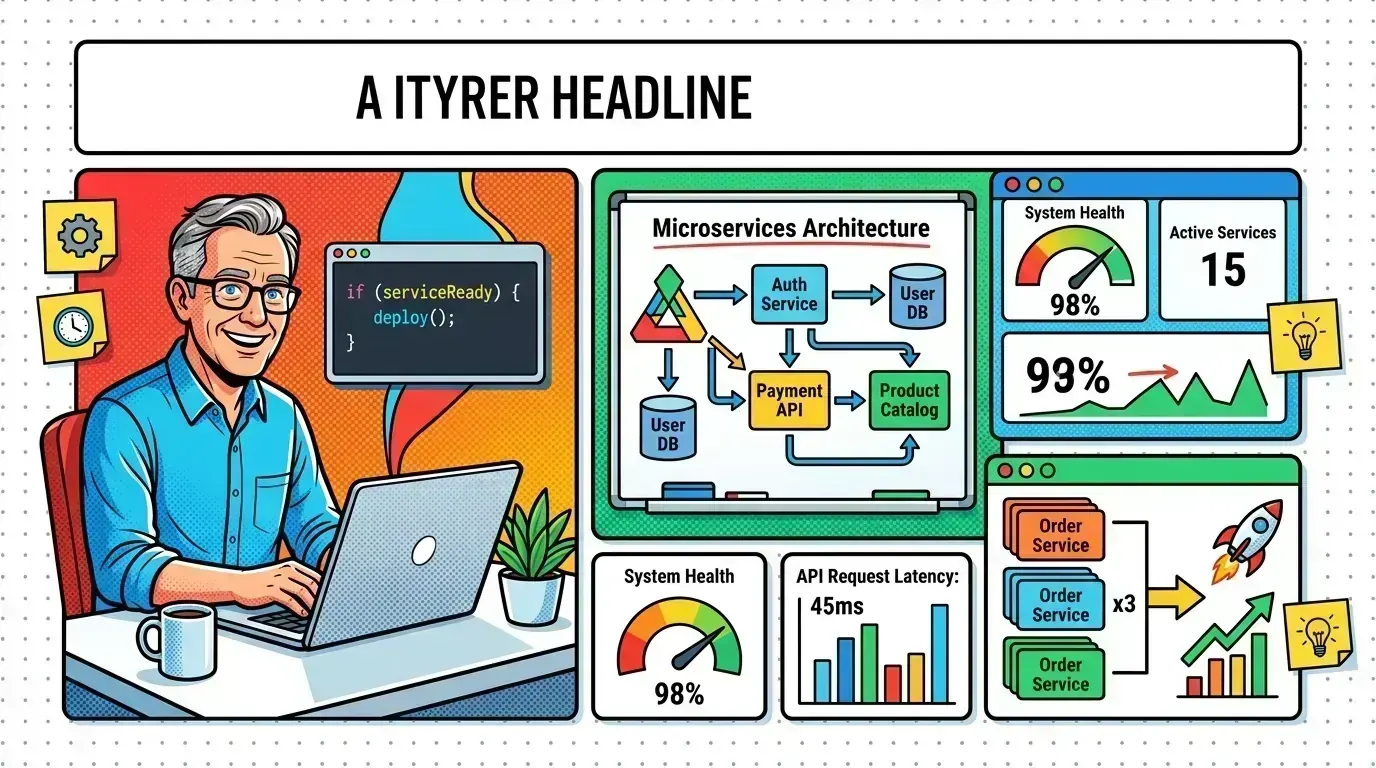
Monolith to microservices: a pragmatic guide
Skip the big-bang rewrite. The strangler fig pattern, anti-corruption layers, and Docker-first steps to move from monolith to microservices safely.
Read post →
-
 Architecture
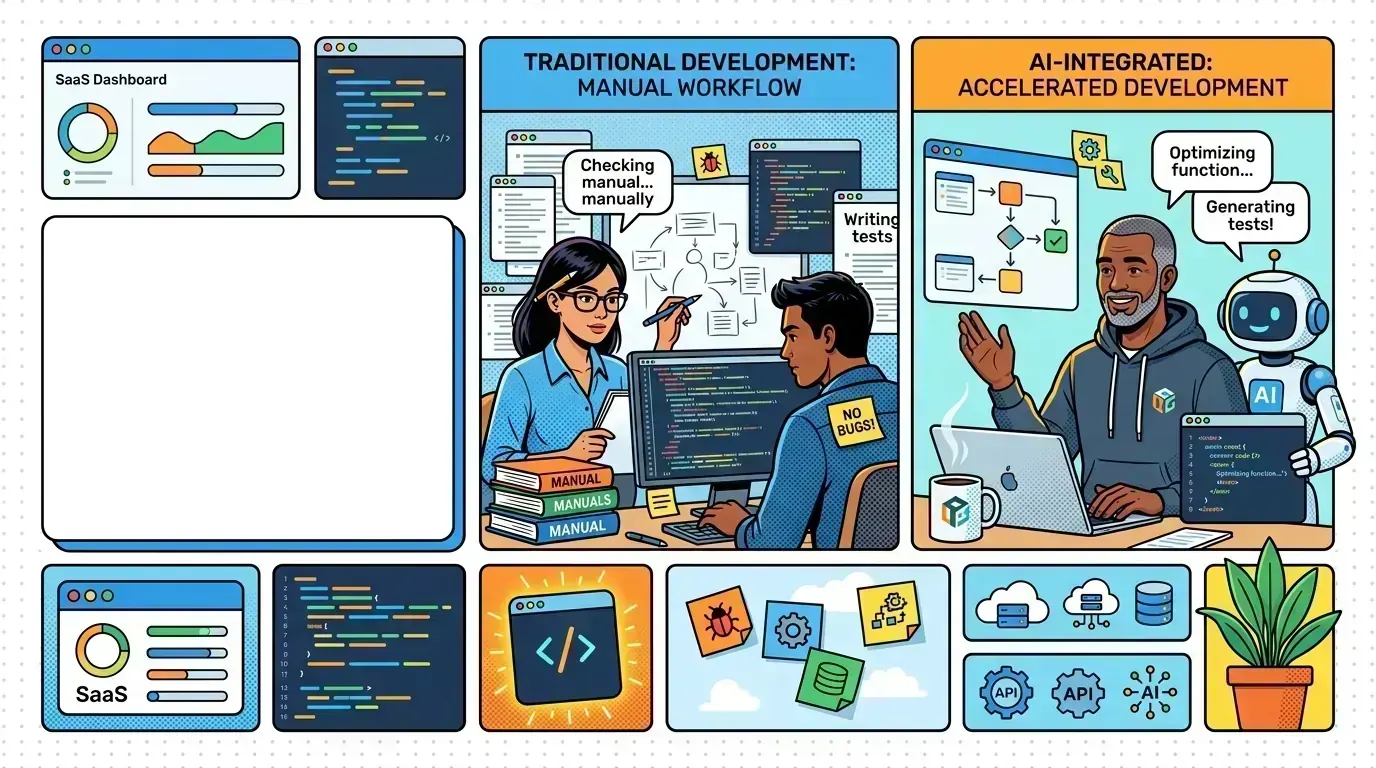
AI vs traditional development: which fits?
AI vs traditional development: when AI-assisted speed pays off, when traditional engineering is non-negotiable, and the hybrid workflow I favor.
Read post →